

Office Ukraine
/
Graz Declaration Calls for Long-Term European-Ukrainian Cultural Partnership
/
Conference / October 15 - October 16, 2026 / Graz
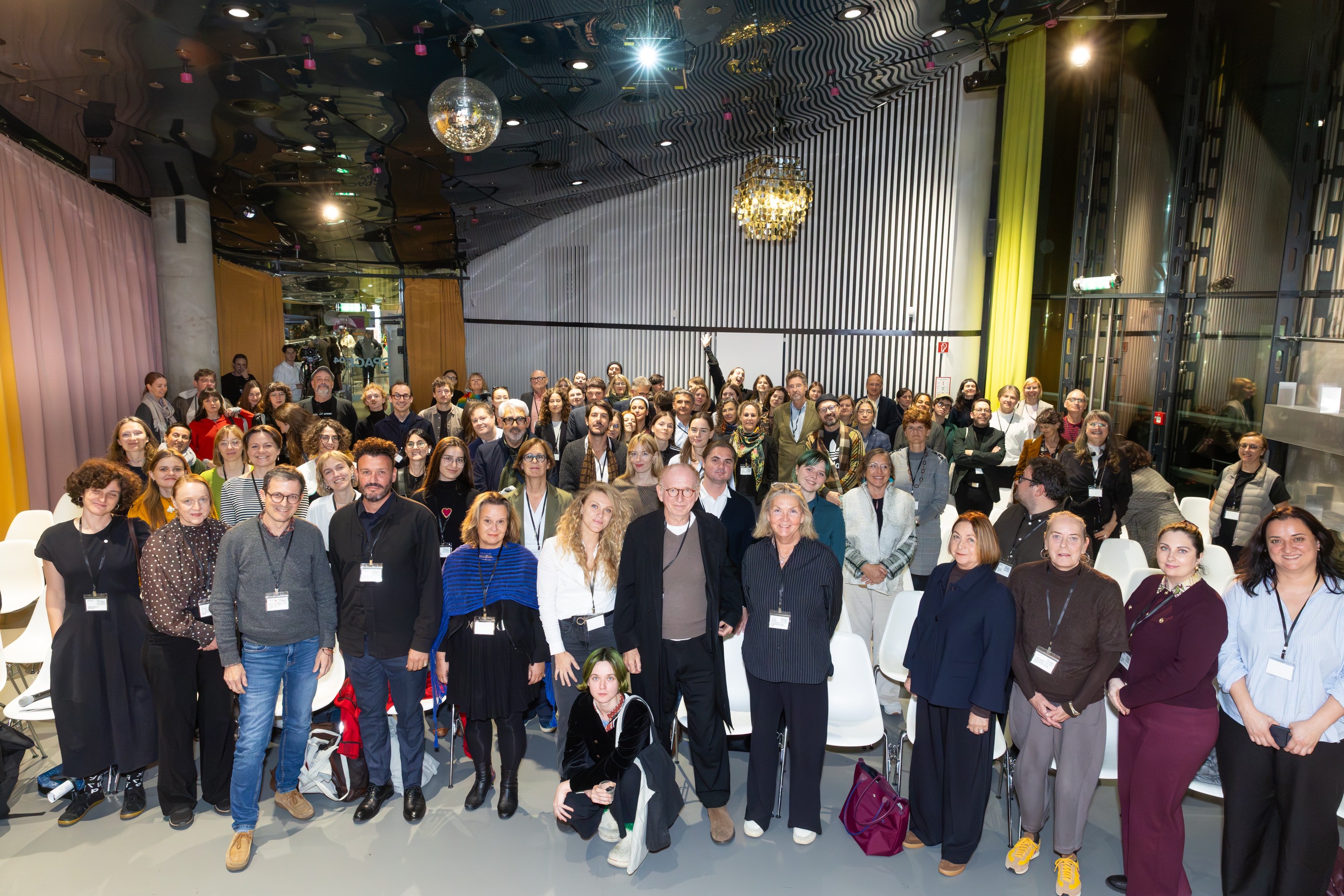
More than 130 Ukrainian and European cultural professionals gathered in Graz to discuss the future of cultural cooperation. The resulting Graz Declaration calls for flexible funding structures, equal access to European programmes, and lasting networks between Ukrainian and European cultural actors. The strong response and unanimous adoption of the Graz Declaration send a clear signal for long-term cooperation and immediate solidarity.
Graz, 17 October 2026. How can the emergency assistance provided since the beginning of Russia’s full-scale invasion of Ukraine develop into a lasting European-Ukrainian cultural partnership? This question was addressed on 15 and 16 October at Kunsthaus Graz by more than 130 Ukrainian and European cultural professionals, as well as representatives of cultural institutions, networks, funding bodies, politics, research, and civil society.
The conference “Networks of Cooperation” was organised by Office Ukraine (Vienna/tranzit.at and Graz/rotor), the Austrian Federal Ministry of Housing, Arts, Culture, Media and Sport, and Creative Europe Desk Austria, in cooperation with Kunsthaus Graz, Creative Europe Desk Ukraine, and the Institute for Human Sciences.
The outcomes of the working groups and roundtable discussions were incorporated into the Graz Declaration. Its starting point: European solidarity over the past years has enabled important emergency assistance, but what is now needed is a transition towards long-term institutional relationships and sustainable access for Ukrainian cultural professionals to European structures. Culture is also explicitly understood as an important factor in Ukraine’s European integration.
The Declaration recalls that Ukraine has participated in the EU programme “Creative Europe” since 2015. Ukrainian cultural actors should therefore not be regarded as new recipients of assistance, but as experienced and equal partners in the European cultural landscape. European support provided so far should be continued and strengthened, and more closely aligned with the actual conditions of cultural work both inside and outside Ukraine.
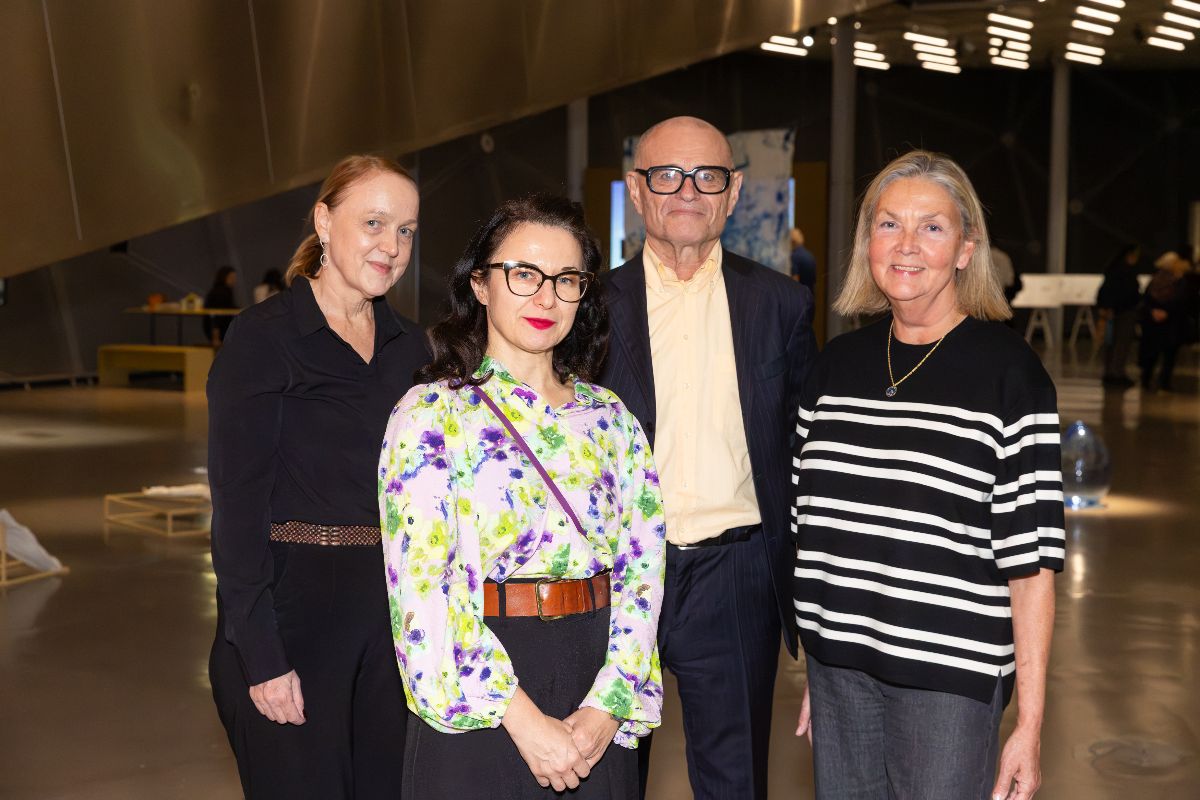
Flexible Funding Instead of a Permanent State of Emergency
Among the central demands are multi-year and adaptable funding models that can also respond to changes in the security situation. Infrastructure and personnel costs, fair remuneration, and local cultural production should be taken into account, as should the possibility of flexibly adjusting budgets and timelines under exceptional circumstances.
At the same time, the Graz Declaration calls for fairer access to European funding programmes. Ukrainian expertise must also be taken into account from the outset in the design and evaluation of European and national cultural programmes.
Another key focus is the lasting networking of existing structures. Cooperation between institutions in Ukraine, Ukrainian initiatives elsewhere in Europe, municipalities, universities, and cultural and civil society networks should not remain limited to individual projects, but should be based on shared responsibility, resources, and programme development. This also explicitly includes strengthening connections between existing networks within Ukraine.
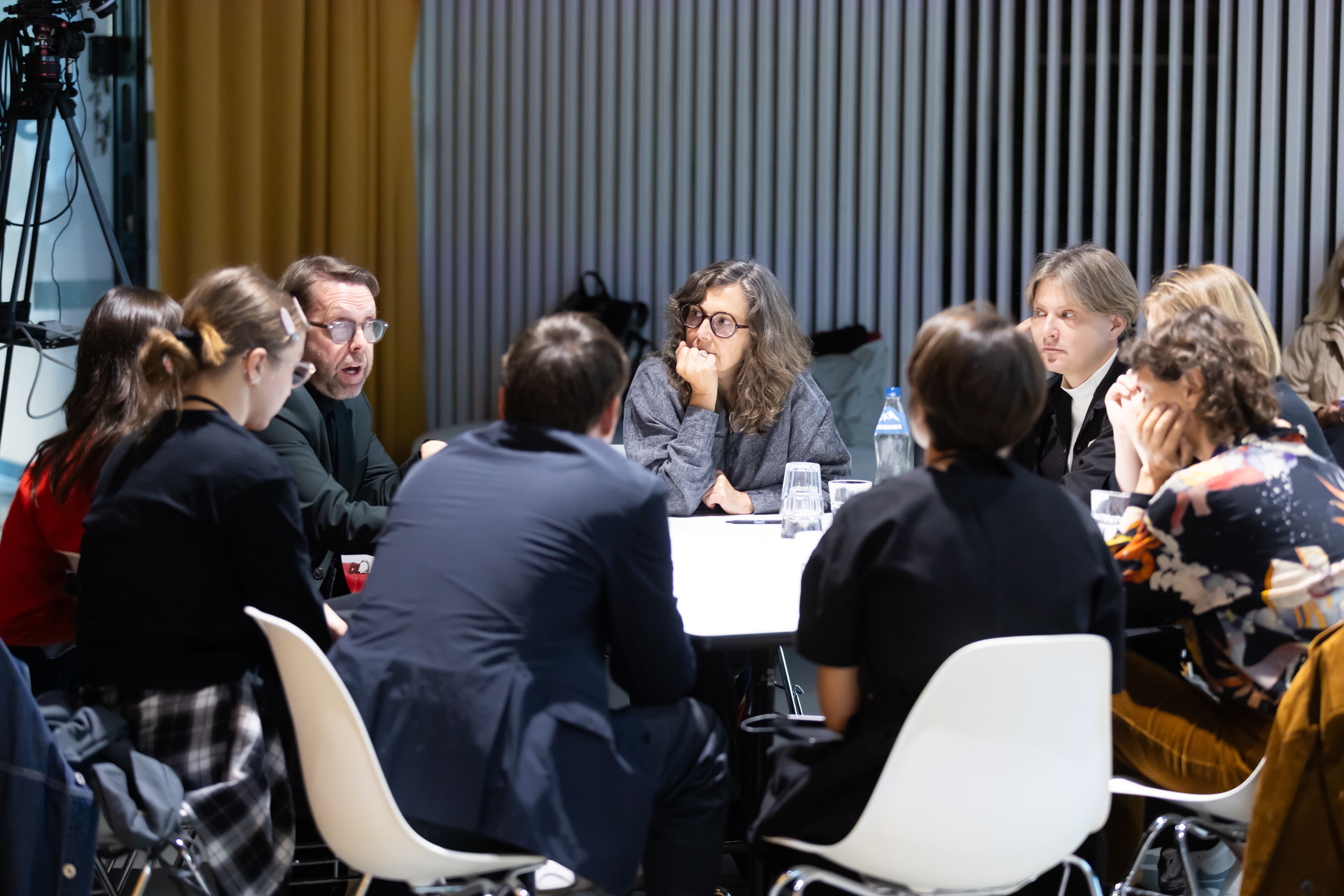
Exchange Must Work in Both Directions
Residencies, mobility programmes, and scholarships also remain important, but should be complemented by hybrid, local, short-term, and digital forms of cooperation. Not everyone can or wants to leave their place of work and residence. Mobility must therefore not become a prerequisite for cultural participation.
At the same time, the Declaration emphasises the mutual nature of capacity building: it is not only Ukrainian actors who can benefit from European structures. European partners, in turn, can draw on Ukrainian experience in cultural resilience, self-organisation, civic participation, and institution building.
The Power of Personal Encounters
The discussions in Graz also highlighted the importance of personal encounters for building sustainable transnational networks. At the same time, safe spaces are needed in which tensions and difficult questions can be addressed openly. These include the growing tensions between cultural professionals who have remained or have had to remain in Ukraine and those who have left the country. Questions of mental health, decent working conditions, the visibility of Ukrainian art, and support for artists who continue to work in Ukraine also played an important role in the discussions.
The participants also discussed ways to better adapt European programmes to the specific needs of Ukrainian cultural actors — for example, through low-threshold funding models for smaller and rural organisations, easier access to European networks, support for project development and travel costs, targeted matchmaking, and new forms of follow-up and cooperation projects.

Commitments for the Years 2027 to 2030
Finally, the Graz Declaration issues a concrete call to European and Ukrainian authorities, governments, cities and regions, cultural institutions, artists, universities, foundations, professional associations, and civil society networks. For the years 2027 to 2030, the principles outlined should be translated into concrete programmes and cooperation agreements.
The focus is on longer funding periods, fair access also for individuals and smaller organisations, sustainable European partnerships, support for cultural work within Ukraine and under conditions of displacement, as well as mutual exchange and capacity building. Progress should be subject to joint review.
The conference and the Graz Declaration are therefore understood not as a conclusion, but as part of a longer-term process. The dialogue between Ukrainian and European cultural actors is to be continued. The goal is a European cultural space in which Ukrainian artists and institutions are not merely recipients of support, but equal partners and co-creators.
A comprehensive report presenting the results of the conference will be published at Buch Wien (25–29 November).