

Office Vienna
/
A safe haven in the heart of Vienna
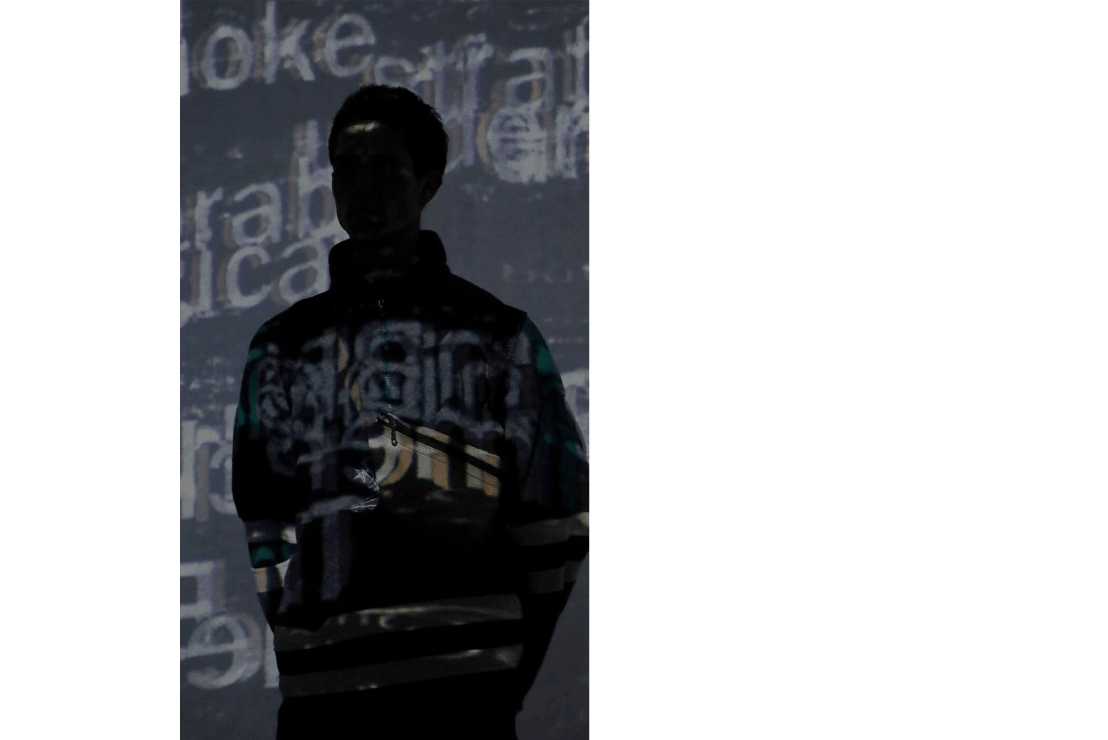
Larissa Agel, executive director and project manager at tranzit.at and a member of the Office Ukraine team, reflects on how the Artist-in-Residence program at Vienna’s MuseumsQuartier opened its places to Ukrainian artists and curators due to the war. Her contribution shows how established cultural institutions can respond to crisis while creating longer-term opportunities for artistic work and exchange.
An interview with Larissa Agel, executive director and project manager at tranzit.at and a member of the Office Ukraine team.
/
Office Ukraine: Larissa, you’re part of Office Ukraine, but you also oversee the artist-in-residence program at Vienna’s MuseumsQuartier. Could you tell us more about the connection between the two?
Larissa Agel: tranzit.at is the Vienna-based branch of the tranzit network. We’re an association for contemporary art that primarily carries out projects on the peripheries of Europe. Together with <rotor> in Graz and the Künstlerhaus Büchsenhausen in Innsbruck, and with the support of the BMKÖS, we founded Office Ukraine: Shelter for Ukrainian Artists However, tranzit.at has other projects in addition to Office Ukraine. For example, we also manage the Artist-in-Residence program at the MQ, which has been in existence since 2003 on the initiative of the ERSTE Foundation.
/
OU: Could you tell us a little about the residency? When was it founded, for what reasons, and how many artists have participated? What is the focus of the residency?
LA: The Artist-in-Residence program at Q21/MuseumsQuartier in Vienna is part of the long-standing partnership between tranzit and the ERSTE Foundation. It supports the foundation’s consistent commitment to promoting contemporary art and strengthening the precarious situations of artists, particularly in Central, Eastern, and Southeastern Europe. The residency has been in existence since 2003 and is thus considered a direct response to the founding of the tranzit network in 2002. Since then, well over 150 artists have participated. The program is aimed at artists and curators from the countries where tranzit is active, namely, Slovakia, the Czech Republic, Romania, and Hungary. Since 2019, Slovenia and Croatia have also been included to incorporate the foundation’s other key long-term partners as well. The Igor Zabel Association is based in Ljubljana, and the Kontakt Collection collaborates with the Zagreb-based WHW Akademija.
/
OU: Is there a specific focus? Do the artists have to complete certain tasks?
LA: The invited artists are deliberately given the opportunity to conduct targeted research in their respective fields. The decidedly research-oriented nature of this residency program is intended to allow them to step back from the grueling production pressures of an artist’s daily life and find the time needed to focus on a specific area of interest. Participants are given the opportunity to live and work for two months in one of the MuseumsQuartier studios right in the heart of Vienna. Together with our colleagues at the MQ, we also support them in establishing important contacts and networking with the local art scene.
/
OU: How many Ukrainians were there before and after the war?
LA: Until now, the residency program has focused exclusively on the countries just mentioned. However, given the urgency of the situation, we decided in 2022 to express our solidarity with Ukraine and the people who are enduring the ongoing war there or are forced to flee it. Therefore, we opened the Artist-in-Residence program to Ukrainian artists and curators and dedicated the first half of 2023 to them. Three residency spots were thus made available, each for two months. However, in 2022 as well, due to a last-minute cancellation by an artist, we were able to include the Ukrainian artist Anatoly Belov in our program and provide him with a two-month stay at the Museumsquartier.
/
OU: Which Ukrainian artists are participating this year, and what kind of art do they create?
LA: Eugen Arlov, Serge Klymko, and Anna Sorokovaya are the three artists and curators from Ukraine. Eugen Arlov is a new media artist, performer and sound artist from Kyiv. He explores historical, social and political contexts. In his practice, he often focuses on space and human interaction with it, thereby creating immersive spaces.
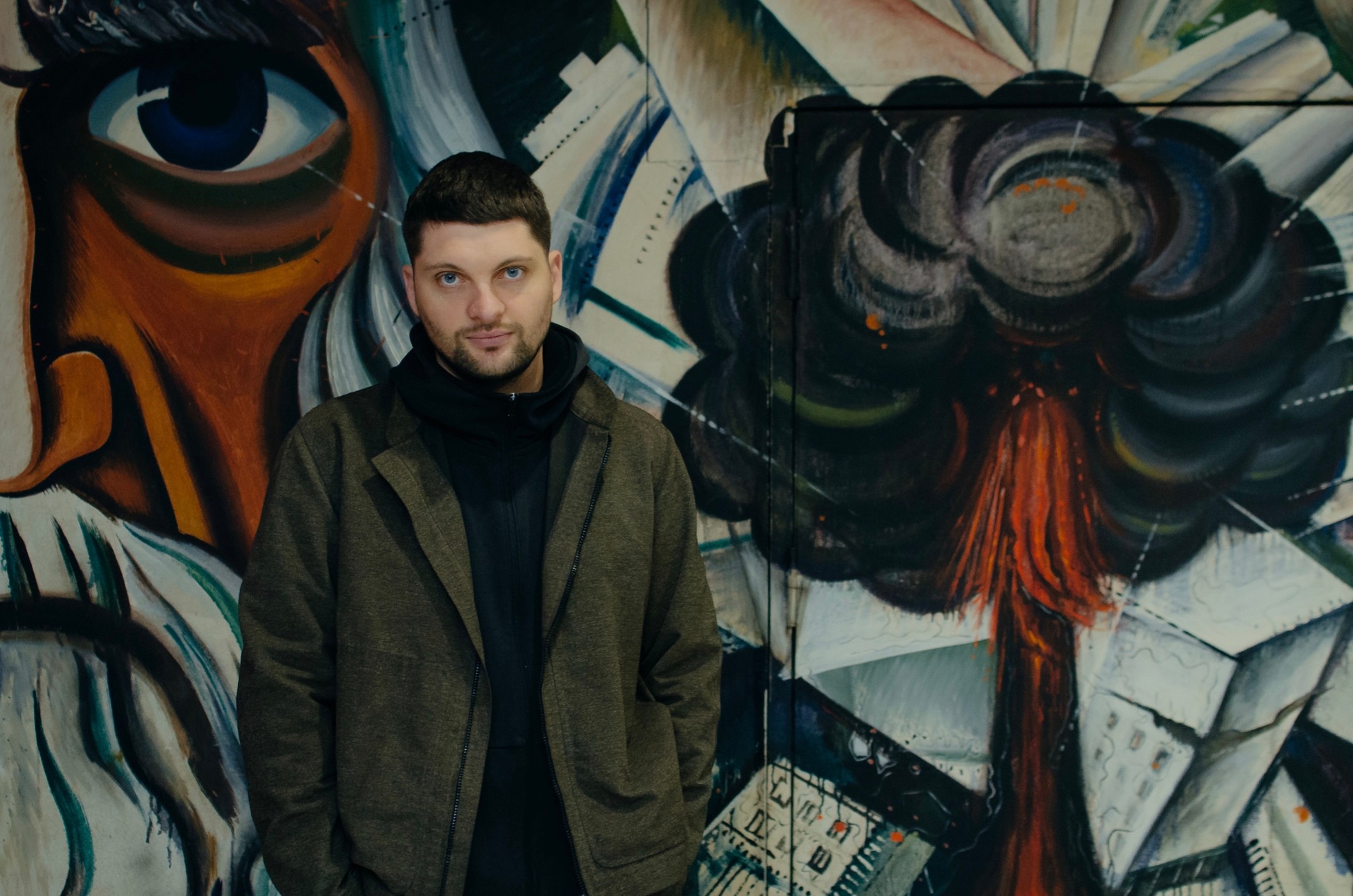
Serge Klymko works as a curator, cultural manager, researcher and author at the intersection of visual and performing arts and music. He is the executive director and curator of the Kyiv Biennale, an international forum for art, knowledge and politics that brings together exhibitions and discussion platforms. Since 2015, Serge Klymko has been the founder and curator of the interdisciplinary space Khashi for performing arts and urban ecosystem research in Ukraine. In March 2022, he founded ESI _ Emergency Support Initiative for Ukrainian cultural practitioners who have fallen on hard times due to the war. The initiative’s goal is to support those who have remained in the country and to provide them with immediate financial assistance under conditions of occupation and/or displacement.
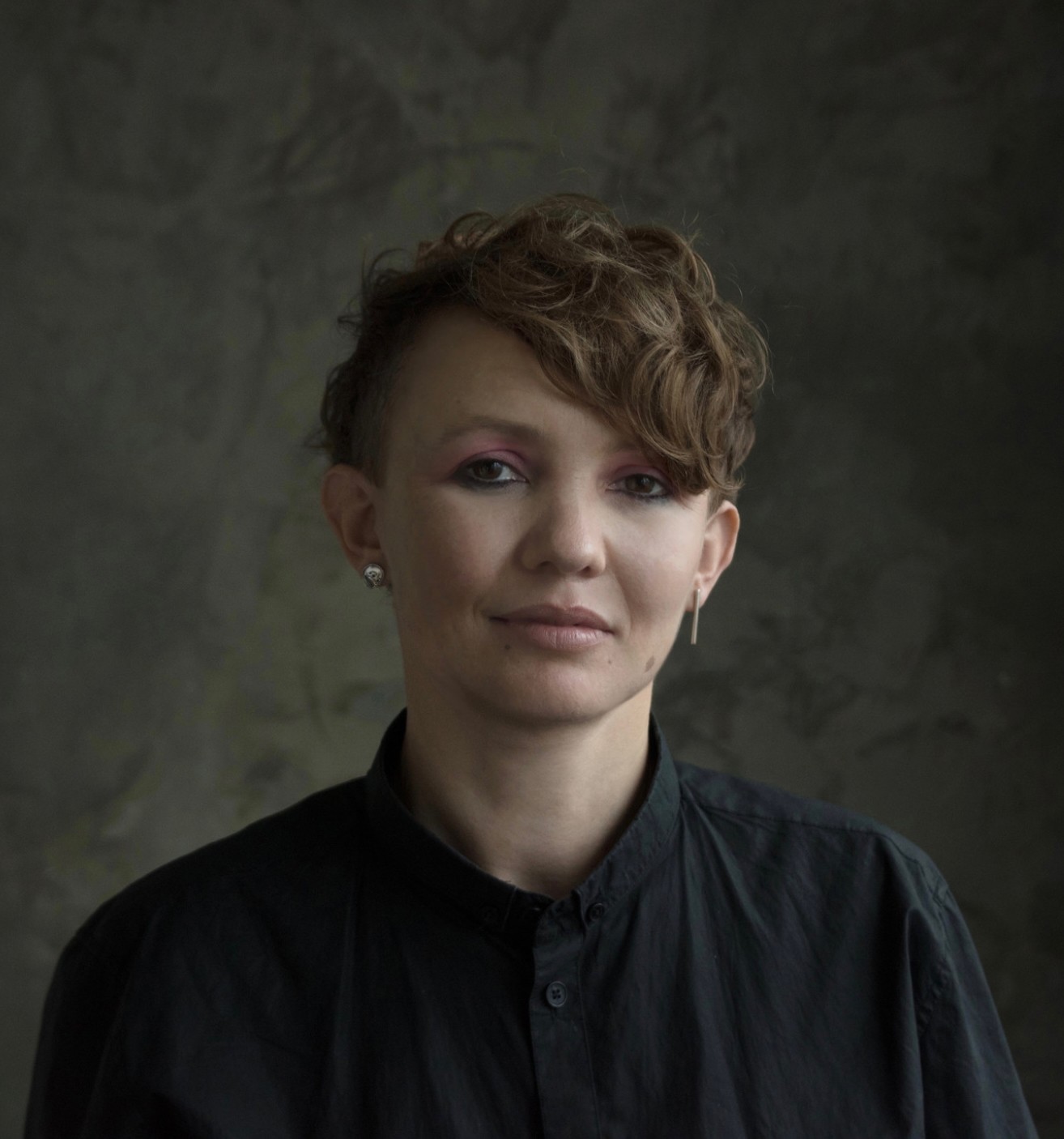
Anna Sorokovaya is a visual artist who works with objects, installations, and photography. She takes an interdisciplinary approach in her artistic and curatorial practice. She is interested in social and political phenomena; in the ways in which narratives and the politics of memory are constructed.
/
OU: How can one find out more about the application process? Who can apply? And how does the selection process work?
LA: The residency call is posted online every year in late summer. Further information is published on the tranzit website and also shared through the channels of the other partner organizations. Applicants are asked to fill out a form requesting basic personal information, a short statement of purpose explaining why they are applying, and their resume. This information is submitted along with a portfolio and is ultimately reviewed by the jury. The jury consists of representatives from the tranzit network, the Igor Zabel Association, and the Kontakt Collection, together with WHW Akademija and the ERSTE Foundation. I am very pleased that I can contribute tranzit.at’s many years of expertise to the selection process for Ukrainian applications.